01
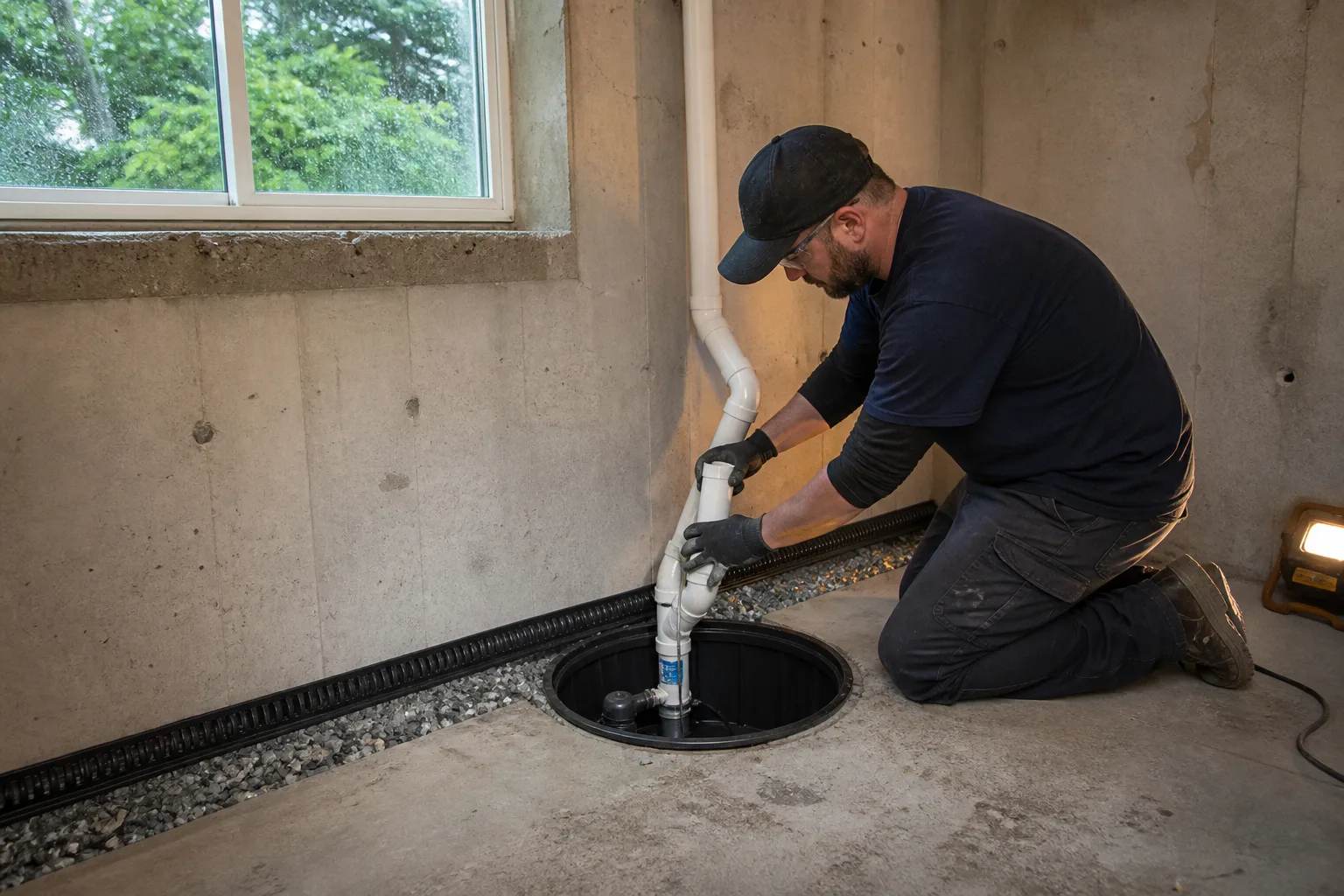
Diagnose the source before choosing the system
Basement Waterproofing
Build a water-control plan from rainfall patterns, foundation conditions, grading, drains, cracks, discharge options, and how the basement is used.
Explore this service →Water intrusion and drainage planning
Diagnose where water enters, how it moves, and which drainage, pumping, crack repair, or exterior corrections can keep Federal Way below-grade spaces drier.

Find the water source
Diagnose where water enters, how it moves, and which drainage, pumping, crack repair, or exterior corrections can keep Federal Way below-grade spaces drier. The most useful first review considers access, preparation, materials, schedule, exclusions, and what success should look like when the work is complete.
Featured services
Explore project-specific guidance, common warning signs, scope elements, and the details a provider should verify before final pricing.
Diagnose the source before choosing the system
Build a water-control plan from rainfall patterns, foundation conditions, grading, drains, cracks, discharge options, and how the basement is used.
Explore this service →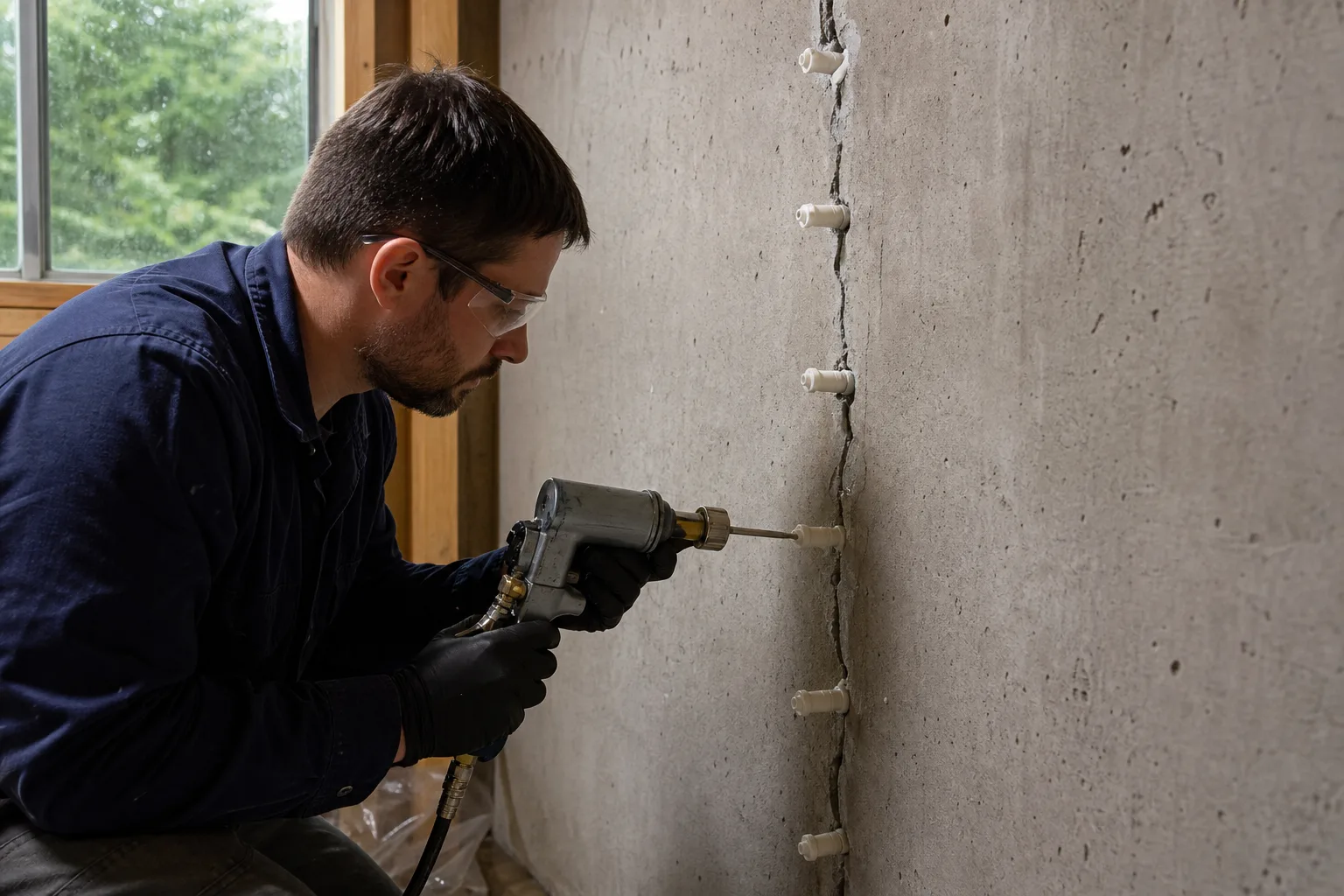
Trace active leaks and recurring dampness
Separate roof runoff, surface water, groundwater, plumbing, condensation, and foundation entry so the repair solves the right problem.
Explore this service →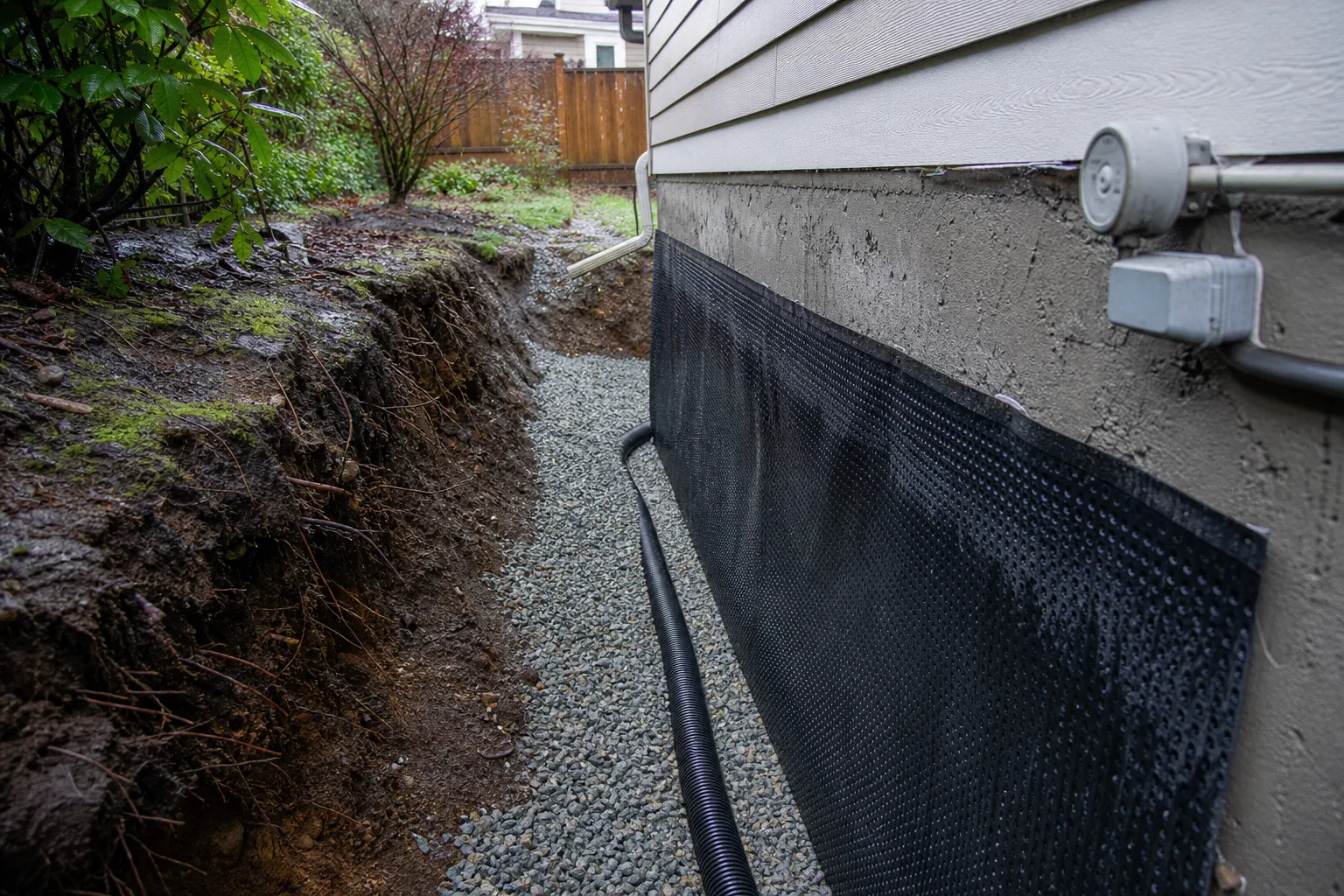
Evaluate cracks before sealing them
Classify crack shape, width, movement, water entry, and wall condition before choosing injection, patching, reinforcement, or monitoring.
Explore this service →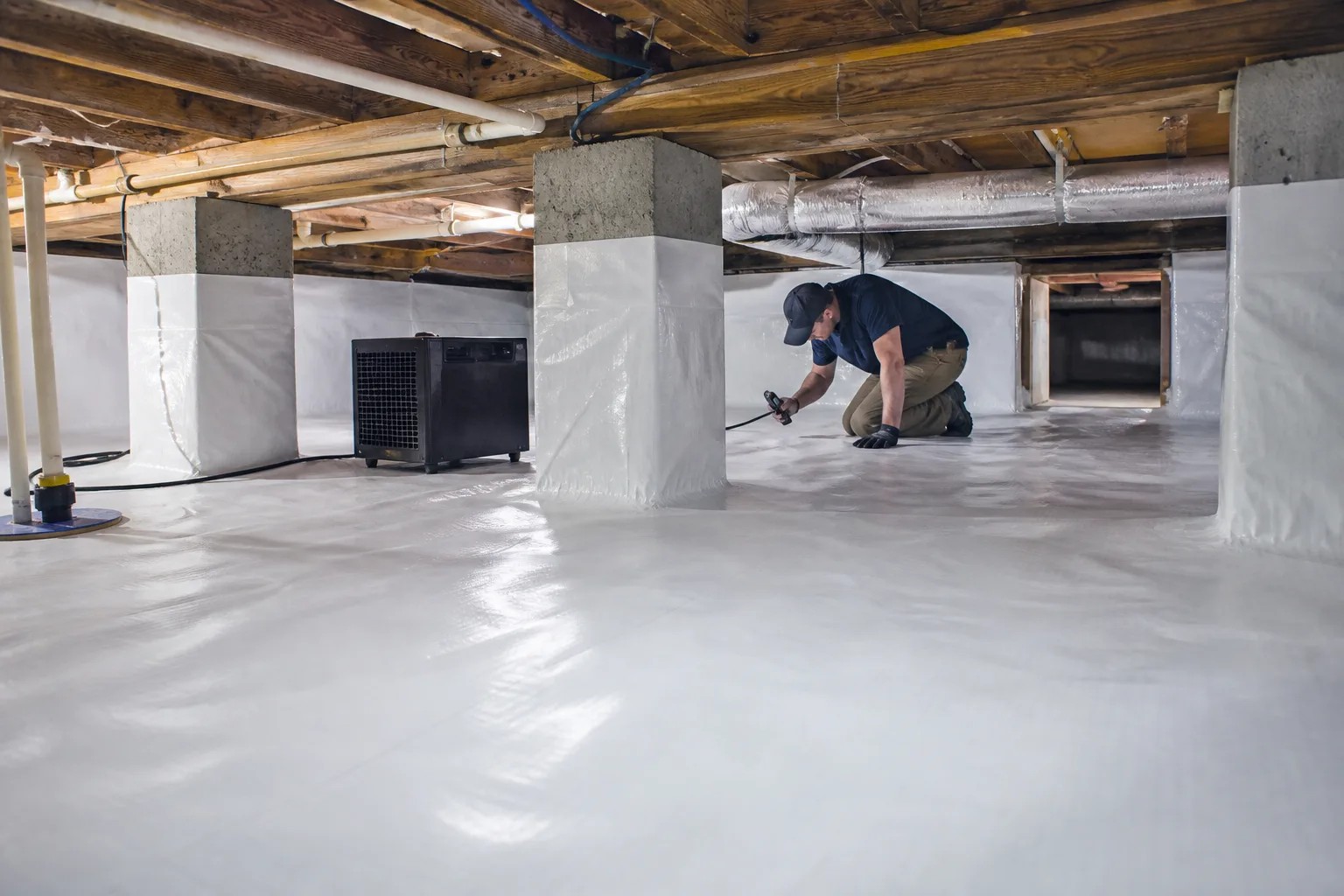
Collect and route water safely
Compare interior perimeter drains, exterior footing drains, surface collection, discharge routes, cleanouts, and pumping around site constraints.
Explore this service →Reliable pumping with a planned discharge
Size and install sump basins, primary pumps, check valves, alarms, backup options, and discharge piping for the actual inflow and power risk.
Explore this service →Control ground moisture and water entry
Address runoff, standing water, exposed soil, drainage, vapor movement, insulation, and access without hiding an active leak beneath a liner.
Explore this service →Safer openings with dependable drainage
Coordinate opening size, structure, permits, well depth, ladders, covers, drainage, and grading for a dry and usable basement window.
Explore this service →Correct moisture before rebuilding finishes
Identify wet materials and humidity drivers, define appropriate containment or remediation, and prevent the same conditions from returning.
Explore this service →Keep surface water away from the foundation
Use grading, swales, downspout routing, catch basins, channel drains, and appropriate outlets to reduce water loading at below-grade walls.
Explore this service →Compare scopes using causes, not sales labels
Turn symptoms into a prioritized scope with repair options, cost drivers, access assumptions, maintenance needs, and clear exclusions.
Explore this service →Federal Way wet-weather planning
Local weather, soils, access, property patterns, and approval requirements influence both the method and the schedule.
Explore the service area01long wet seasons and wind-driven rain that expose drainage and envelope weaknesses
02glacial soils and variable fill that can hold water beside foundations
03sloped lots where uphill runoff reaches lower walls, window wells, and crawl spaces
04older downspout and perimeter-drain systems that may be undersized, disconnected, or clogged
05hydrostatic pressure that can appear at slab joints, cracks, penetrations, and wall-floor seams
06moss, organic debris, dense landscaping, and roof runoff that complicate exterior water management
From question to written scope
Send the location, use, timing, photographs, and the condition that prompted the request.
The responding provider verifies quantities, access, preparation, and related work before final pricing.
Review materials, schedule, closures, exclusions, credentials, and the plan for changes.
Keep product information, photos, dates, and maintenance notes with the property record.
Nearby coverage
Frequently asked questions
There is no reliable area-only price. A repair might involve one crack, downspout corrections, an interior perimeter system, exterior excavation, a sump pump, or several of those together. Access, finished surfaces, discharge routing, wall length, and the source of water drive the estimate.
Policies often distinguish sudden covered damage from groundwater, seepage, maintenance, flooding, or long-term deterioration. Coverage depends on the policy and event. Document the source and damage, prevent further loss, and ask the carrier before assuming either approval or denial.
It can be worthwhile when the scope addresses a verified source and protects usable space, structure, mechanical equipment, stored belongings, or indoor air quality. The key is diagnosis: a costly system is poor value if the problem is actually a disconnected downspout or failed window well.
A documented correction can reduce buyer concern and protect finished space, but no project guarantees a particular appraisal result. Transferable product information, permits where applicable, photographs, maintenance notes, and a dry-space history are more useful than a vague claim.
The least expensive effective step is often outside: clean gutters, extend downspouts, correct localized grading, seal obvious penetrations, or repair a window-well cover. Those steps are not substitutes for drainage or structural repair when hydrostatic pressure or a damaged foundation is the real cause.
Many water problems can be managed with interior drainage, crack injection, sump systems, vapor control, or a combination. Interior work controls water after it reaches the foundation; exterior excavation may be more appropriate when access exists and the wall assembly or exterior drain has failed.
Moisture can migrate through the slab, condense on cool concrete, rise at a wall-floor joint, enter through a hidden crack, back up through a drain, or be released by plumbing. Timing, location, humidity, and rainfall help separate those causes.
A nonstructural shrinkage crack is different from an actively moving or bowed wall. Width, displacement, water entry, wall material, access, reinforcement needs, and engineering determine the repair approach. Structural movement should be evaluated before pricing a waterproof coating or injection alone.
Start with the site
Call now, or send the visible issue, property area, timing, and photos. Confirm provider credentials before hire.